3 WTC TRANSIT HALL
3 World Trade Center Transit Hall Project
New York, NY
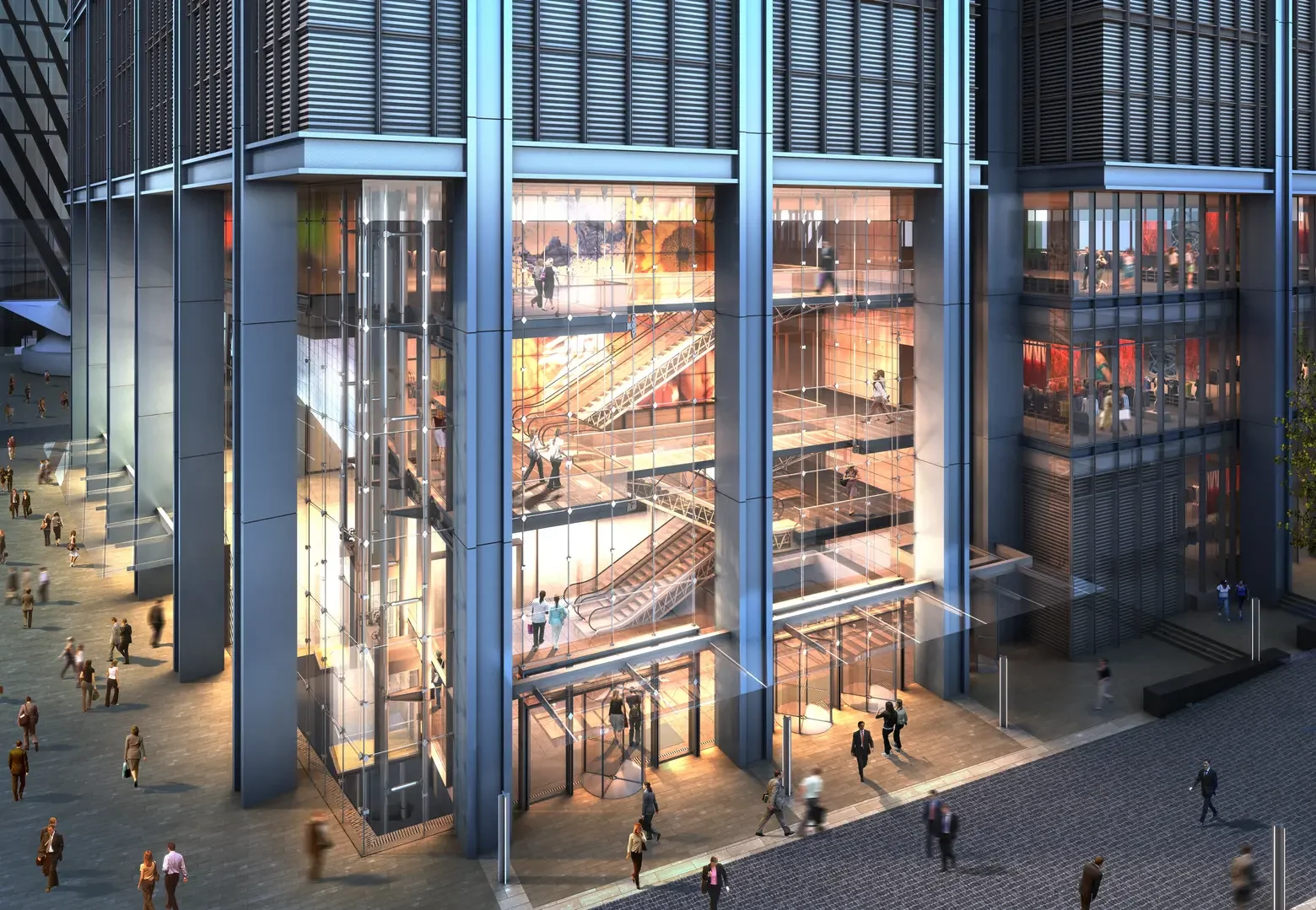
The 3 World Trade Center Transit Hall is a defining component of the rebuilt World Trade Center campus. Designed by Richard Rogers of Rogers Stirk Harbour + Partners, with Adamson Associates serving as Production Architect and Tishman Construction as General Contractor, the project represents a rare intersection of architecture, infrastructure, and civic responsibility. Architectural metal and glass floor systems were fabricated by Mariani Metals of Canada. Vertical transportation was delivered by Schindler. The client, Silverstein Properties, was acting on behalf of the Port Authority of New York and New Jersey.
RE:Vision Builders
Project Context
RE:Vision Builders’ leadership managed the project on behalf of the client, providing high-level owners representation services throughout design coordination and construction execution. This was not conventional construction oversight. It required steady project management, agency alignment, and structured reporting across multiple public and private stakeholders operating within one of the most scrutinized development sites in the world.
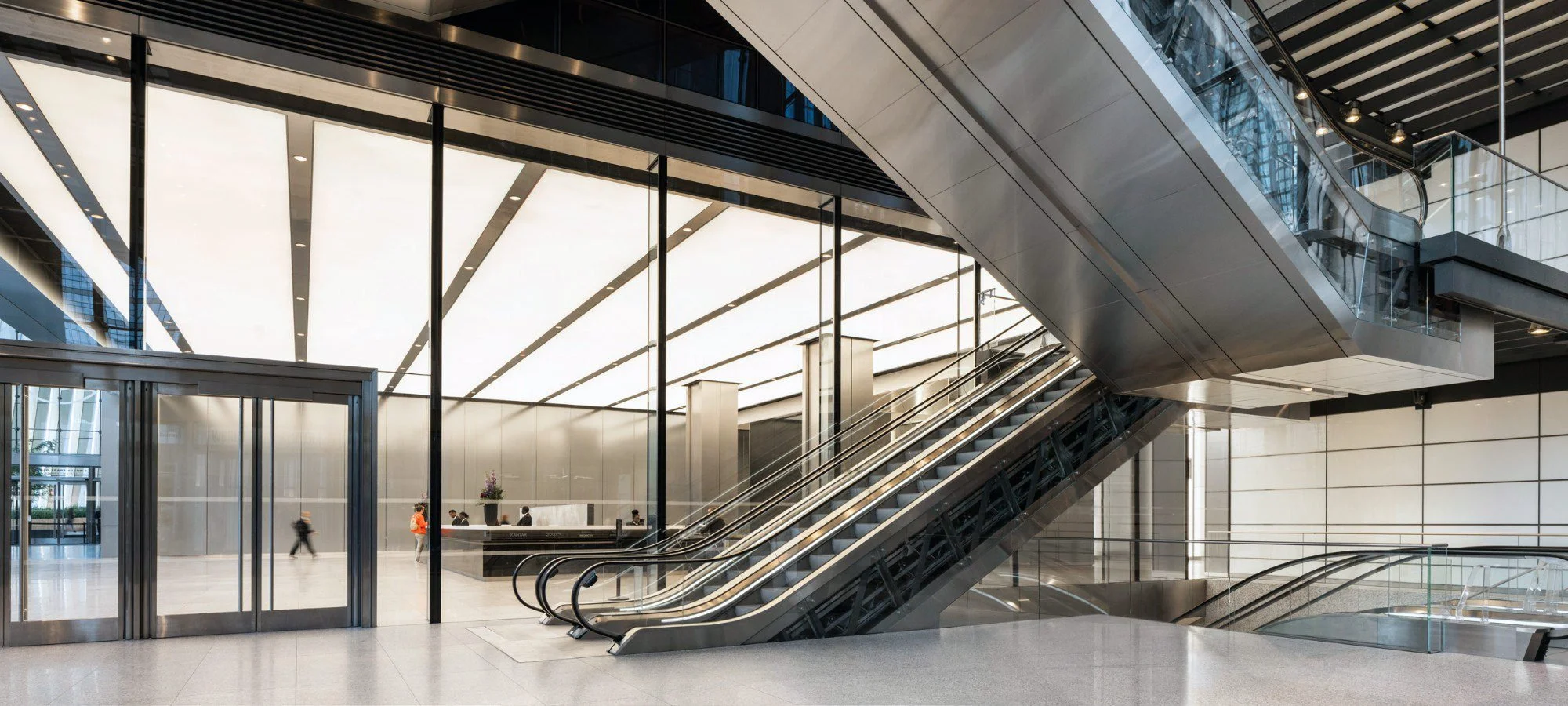
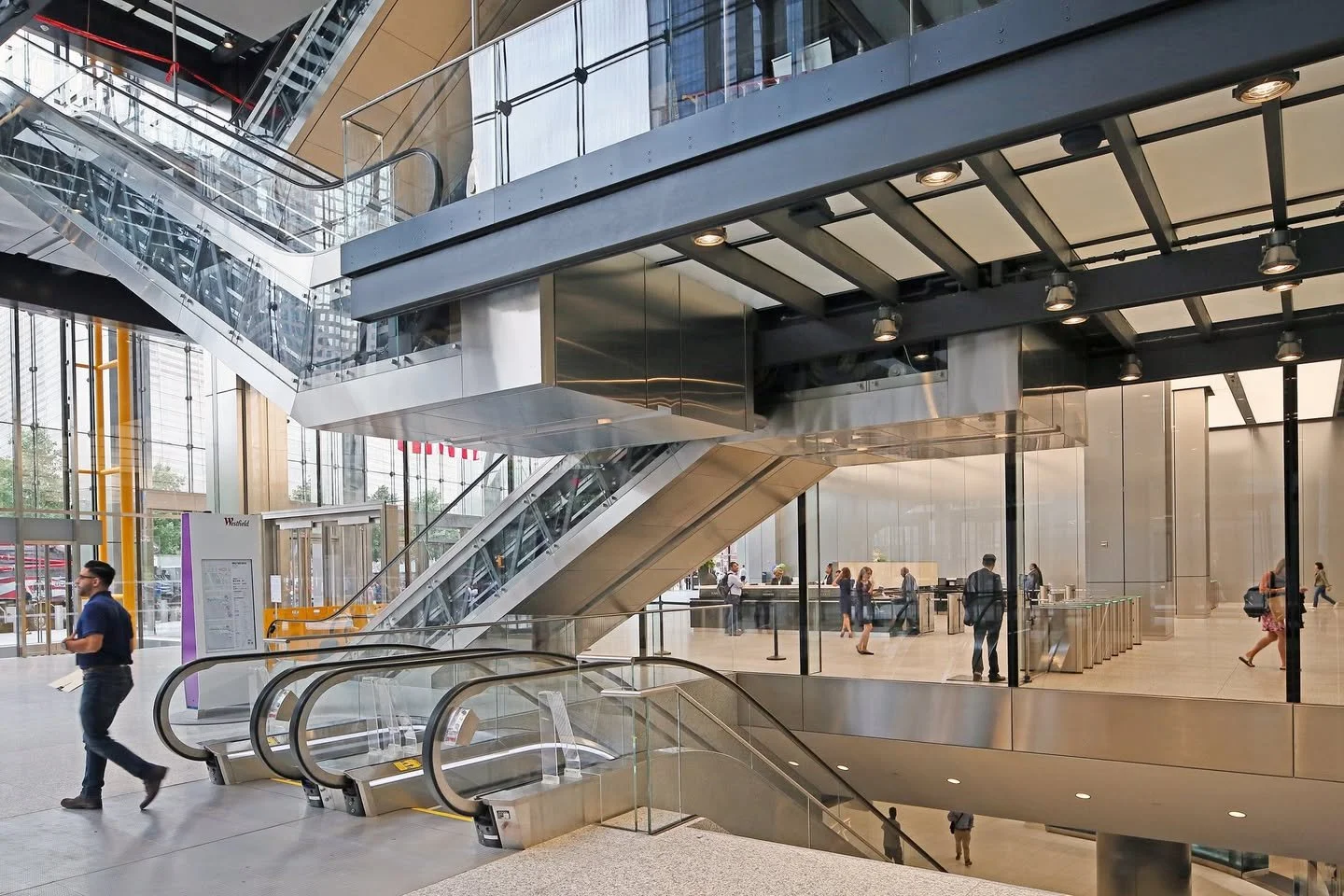
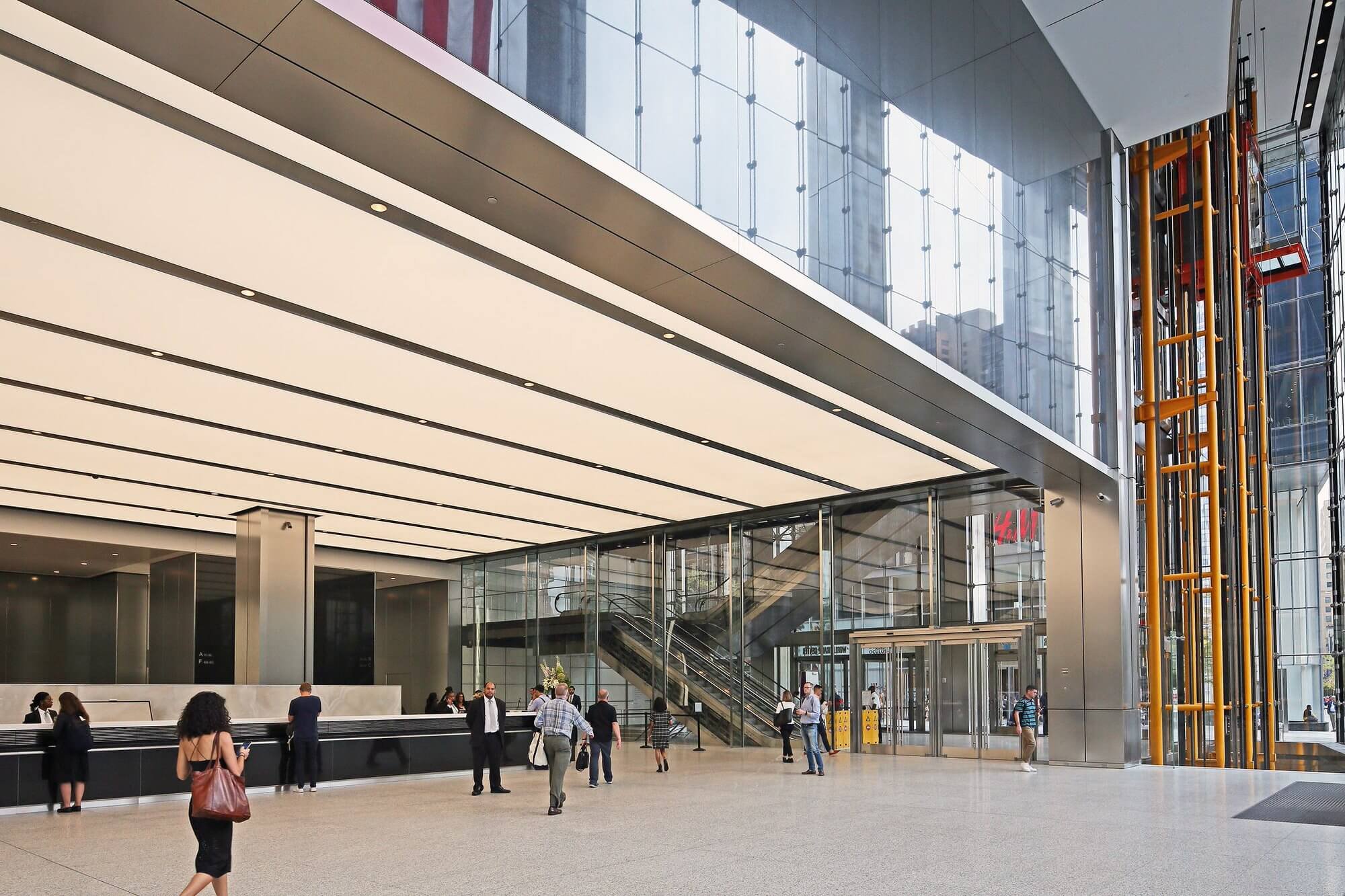
The Transit Hall anchors the eastern frontage of 3 World Trade Center and provides critical connectivity to the 1 Train Cortlandt Station operated by the MTA. The space integrates exposed structural steel, suspended escalators, transparent elevator shafts, and highly detailed architectural metal assemblies within a light-filled civic environment.
Below grade, the work intersected with active transit infrastructure and sensitive structural systems. Above grade, it formed part of a coordinated tower development within the broader World Trade Center master plan. Every interface carried regulatory, operational, and financial implications.
Delivering design and construction in New York City at this scale demands precision. Layer onto that the coordination requirements of the Port Authority and the MTA, and the need for disciplined oversight becomes clear.
Role and Responsibilities
Structured Oversight in a High-Profile Environment
Working directly for the client, REVB leadership provided owners representation construction services with a focus on schedule integration, risk mitigation, contractor accountability, and financial visibility. The scope required continuous coordination between the Port Authority, the MTA, Silverstein Properties, the architect, engineers, specialty fabricators, and the general contractor.
A central priority was aligning Transit Hall construction with the restoration and reopening of the 1 Train Cortlandt Station. Structural interfaces, vibration criteria, egress sequencing, and life safety coordination required constant cross-agency communication. Construction activity could not disrupt active transit operations or compromise safety protocols.
Specialty components added another layer of complexity. Mariani Metals’ architectural metal and glass floor systems demanded tight tolerances and sequencing precision. Schindler’s elevators and escalators were integrated within a transparent structural volume, leaving minimal margin for adjustment once installation began.
Security protocols at the World Trade Center site governed access, logistics, material delivery, and workforce movement. In this environment, NYC project management is as much about foresight and structured documentation as it is about field presence.
As with other major projects within the WTC campus, success depended on disciplined visibility. REVB leadership implemented structured coordination frameworks to ensure alignment across contractors, engineers, and agency representatives. Regular cross-agency working sessions were essential to resolve interface issues early, particularly where responsibilities overlapped between building infrastructure and transit systems.
The Transit Hall required more than managing activity. It required protecting performance. Budget exposure, schedule dependencies, and reputational risk were significant. In an environment where every delay could impact adjacent projects and public operations, oversight functioned as a necessary safeguard.
The experience reinforced a principle that continues to guide RE:Vision Builders’ approach to owner’s representation and development consulting today: complex projects demand proactive coordination, financial discipline, and a clear line of accountability.
Outcome
The completed Transit Hall delivers a light-filled, highly transparent civic space that seamlessly connects street, tower, and subway. Escalators appear suspended within a glass volume. Architectural metal detailing provides both structural clarity and refined finish. Vertical circulation flows intuitively from the plaza level to below-grade transit platforms.
Beyond its architectural presence, the project demonstrates the power of structured leadership in technically demanding urban environments. Coordinating between the Port Authority, MTA, private ownership, and an international consultant and contractor team required steady oversight from feasibility through delivery.
For RE:Vision Builders’ leadership, the 3 World Trade Center Transit Hall stands as a defining example of managing complexity at scale: where infrastructure, architecture, and public trust converge.