4WTC - NYC - HRA HEADQUARTERS
New York, NY
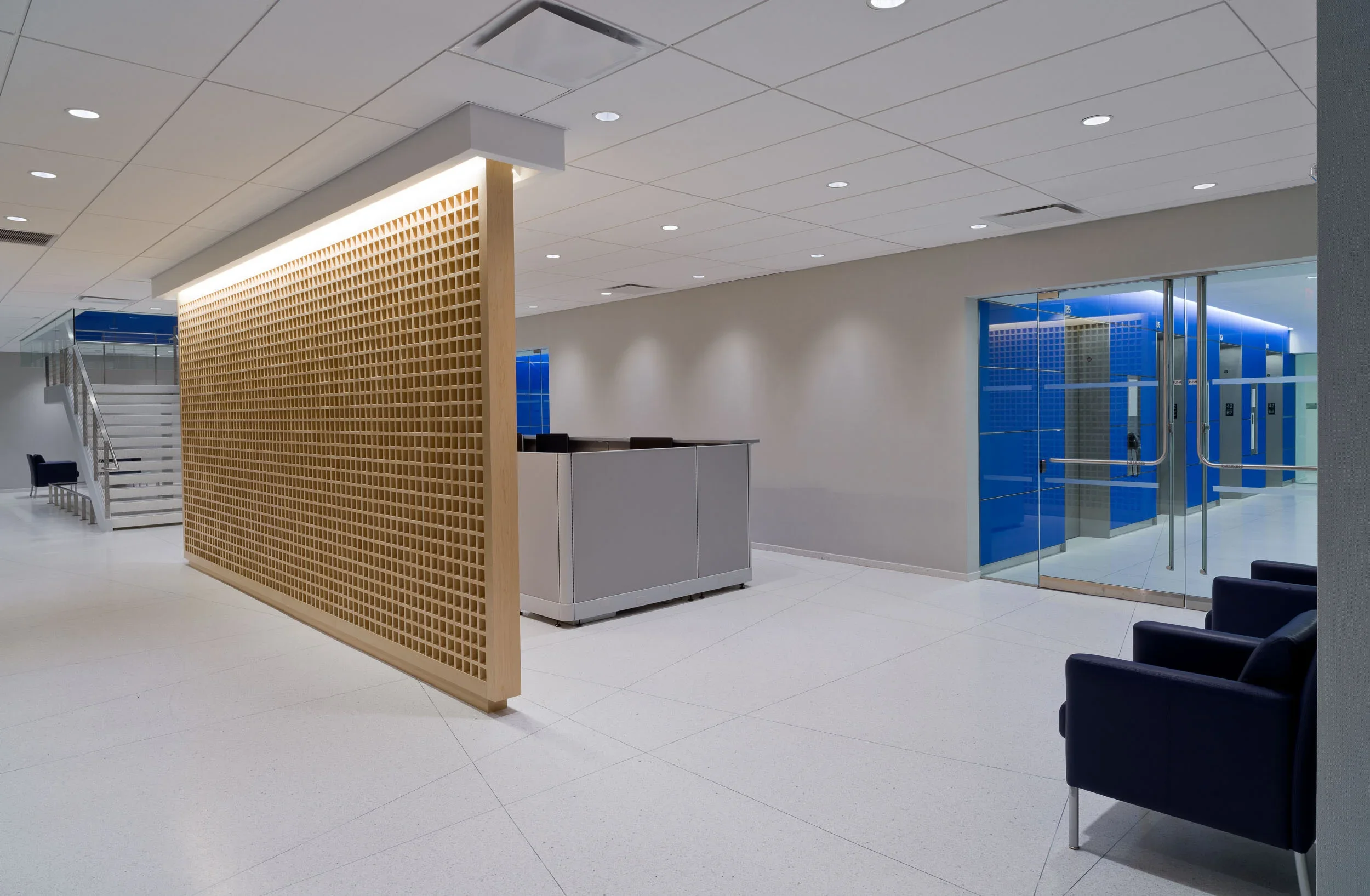
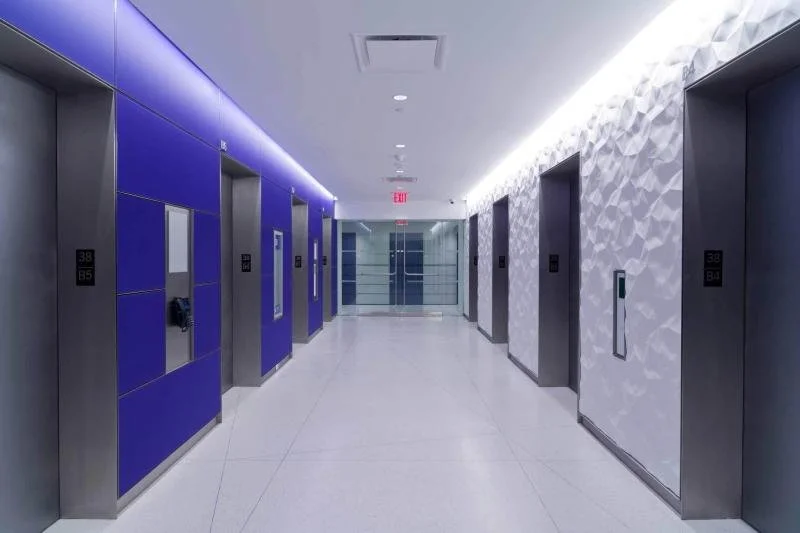
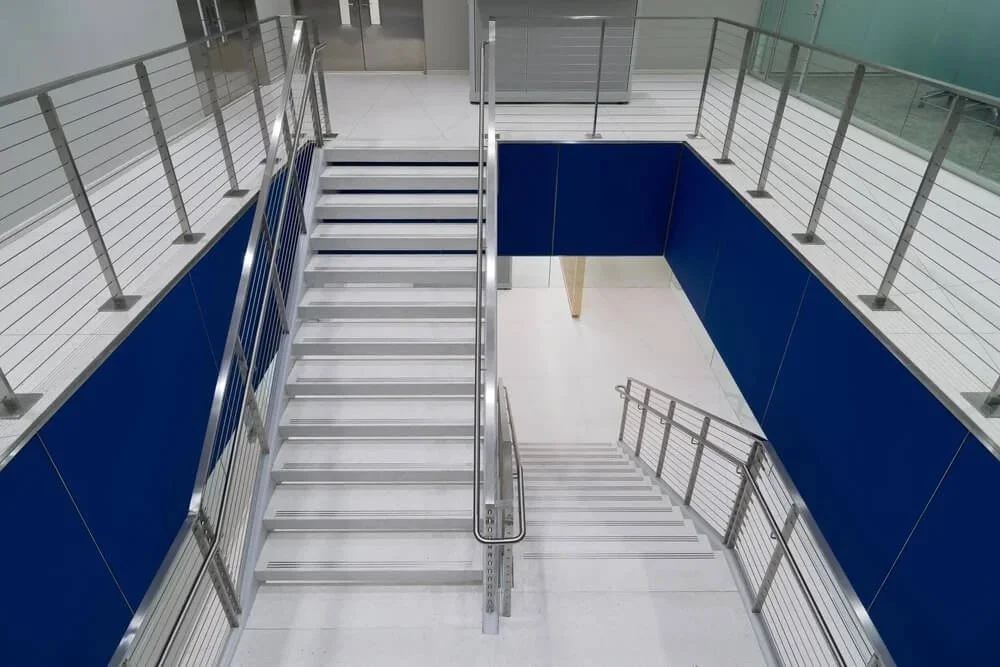
The headquarters fit out for the New York City Human Resources Administration at 4 World Trade Center represents the intersection of public service, complex logistics, and disciplined execution. Located within the 72 story office tower designed by Fumihiko Maki, 4 WTC stands as one of the most visible and technically advanced commercial buildings in Lower Manhattan. Delivering a multi floor, large scale workplace inside this environment required more than construction oversight. It required structured owners representation, tight coordination with building management, and proactive problem solving in real time.
About the Project
The project was delivered for Silverstein Properties on behalf of the City of New York through New York City Department of Citywide Administrative Services and New York City Human Resources Administration. REVB Leadership ensured the client’s interests across design, construction, procurement, and final activation were protected.
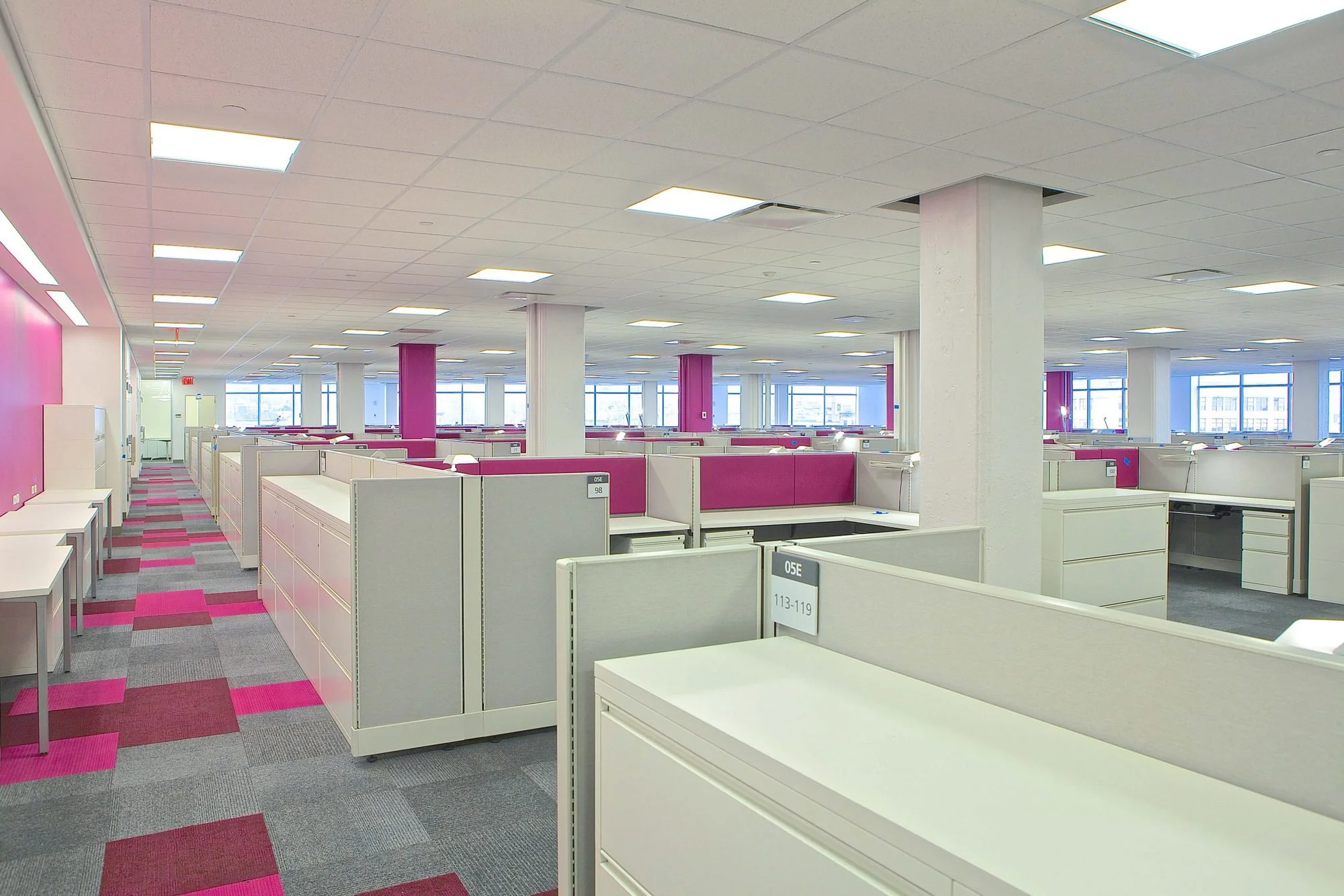
The fit out design was led by GKV Architects and constructed by Turner Construction Company. The program spanned multiple full floors within the tower and totaled several hundred thousand square feet of workspace, conference facilities, and support areas. The scope included architectural build out, MEP coordination, security integration, technology infrastructure, and full furniture procurement and installation.
From a renovation project management perspective, the complexity was not in the finishes alone. It was in conducting an orchestra, ensuring every instrument played in harmony.
Structured Oversight in a High Profile Tower
Delivering a public agency headquarters within an occupied, Class A office tower demands rigorous alignment between stakeholders. Base building rules, vertical transportation scheduling, security protocols, loading dock restrictions, and after hours access all required advance planning and disciplined communication.
As owners rep, REVB Leadership implemented structured reporting, milestone tracking, and coordinated turnover sequencing between the general contractor, furniture vendor, building management, and agency leadership. Each phase of the work was approached with capital protection in mind. Budget validation, change order review, and schedule control were active processes, not back end reviews.
Coordination with building management proved critical. The Vehicle Security Center, shared loading docks, and freight elevator reservations operated on strict timelines. Any misalignment could delay installations and create cascading impacts across trades.
Solving the Logistics Challenge
Outcome
One of the most significant obstacles emerged during furniture delivery.
Herman Miller was the selected furniture vendor. Large 53 foot trailers were dispatched from the manufacturer for delivery to the World Trade Center complex. Upon field verification, it became clear that the total wheelbase of a standard over the road tractor with a 53 foot trailer exceeded the maneuvering limits of the Vehicle Security Center. The turning radius simply would not work.
Without a solution, deliveries would stall. Installation crews would sit idle. The project schedule would absorb unnecessary risk.
REVB Leadership evaluated the physical constraints and proposed a revised delivery configuration. By utilizing a jockey cab paired with a smaller trailer configuration, the effective wheelbase was reduced, allowing safe navigation through the security center and loading sequence. This adjustment required coordination with the vendor’s logistics team, building security, and the installation schedule.
The solution was simple in concept but significant in impact. It protected the delivery timeline, avoided costly re handling, and maintained momentum during a critical installation phase.
Projects of this scale require more than contractor management. They require active owners representation services that bridge institutional rigor with hands on oversight. Within a public agency environment, where accountability and performance visibility are paramount, structured NYC project management becomes a safeguard.
Through disciplined coordination, logistical problem solving, and consistent alignment with Silverstein Properties and City stakeholders, the HRA Headquarters at 4 WTC was delivered with operational continuity and controlled execution.
In high profile environments like the World Trade Center, performance is measured not only by aesthetics but by reliability, compliance, and long term functionality. This project reflects REVB’s approach to development consulting and commercial project management in New York City: protect the client, anticipate friction points, and execute with clarity from first coordination meeting through final activation.