4 WTC
4 World Trade Center Project
New York, NY
The rebuilding of the World Trade Center site stands as one of the most significant urban redevelopment efforts in modern history. 4 World Trade Center was not simply another commercial tower. It was part of a broader civic and economic restoration following the tragedy of September 11th.
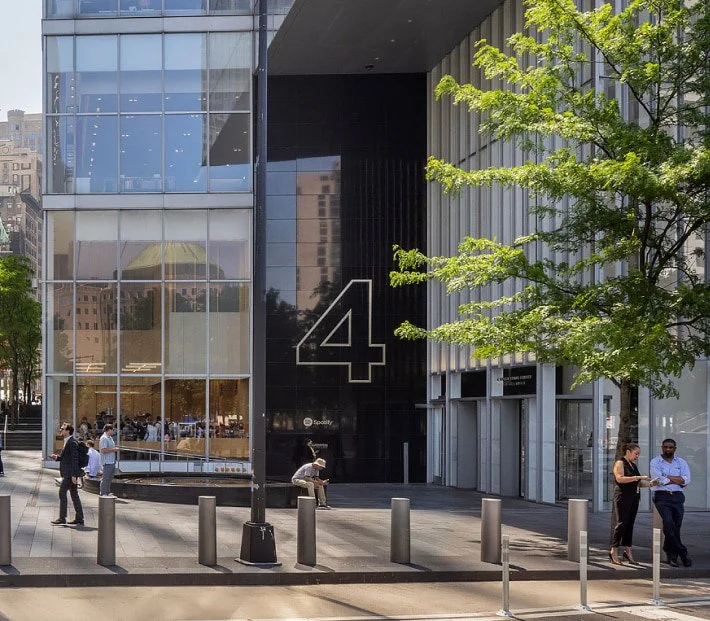
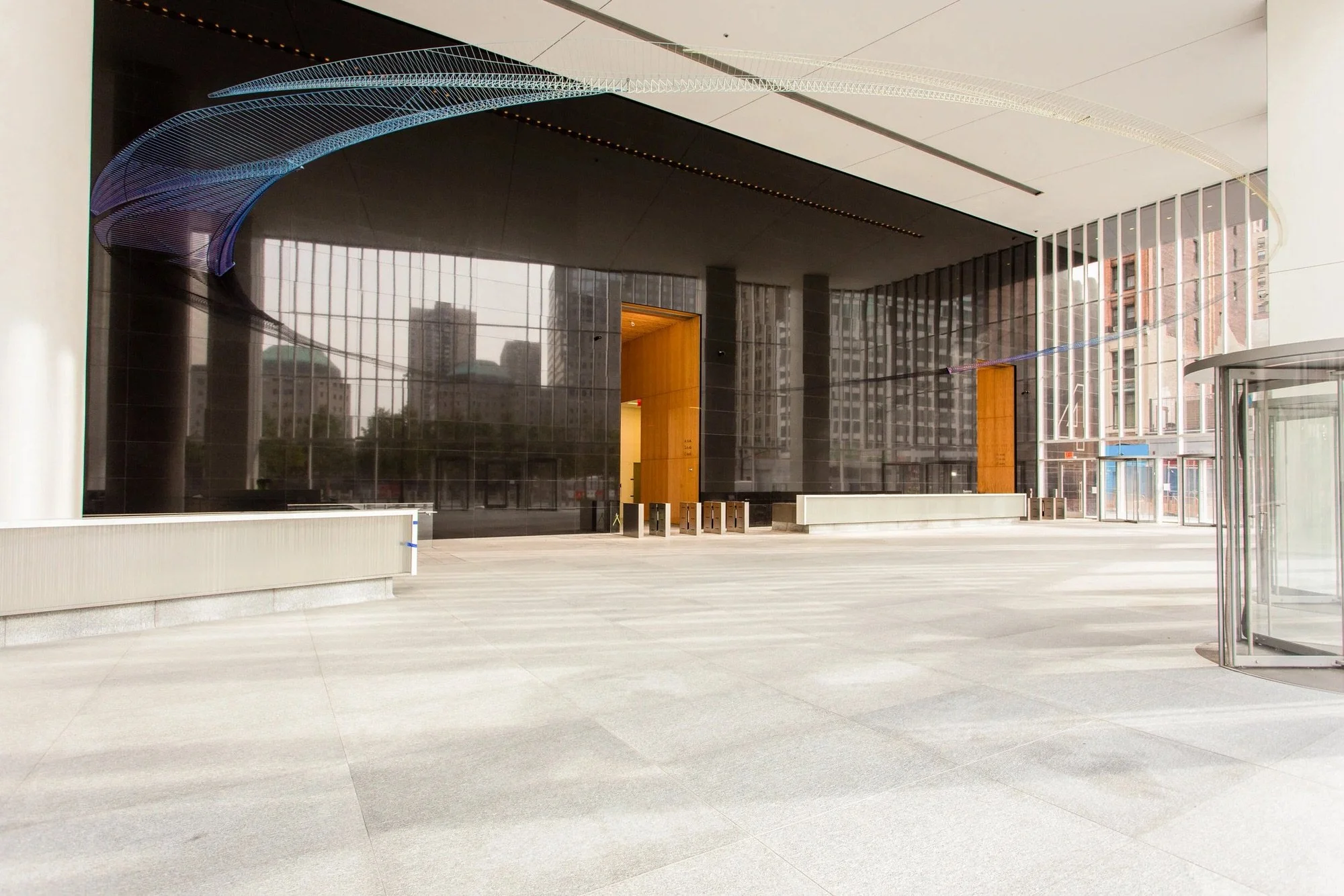
Designed by Fumihiko Maki, with Adamson Associates Architects serving as production architect, the tower was conceived as a restrained and luminous presence within the reemerging skyline. Silverstein Properties led development. Tishman Construction served as general contractor. Structural engineering was provided by Leslie E. Robertson Associates (LERA), and building systems were engineered by Jaros, Baum & Bolles (JB&B). The architectural clarity visible today required extraordinary coordination behind the scenes.
Role and Responsibilities
Outcome
RE:Vision Builders’ leadership played a key role in the development and construction management of 4 WTC during this historic rebuilding effort. Working in close alignment with ownership, our responsibilities extended across complex site coordination, risk management, and multi-stakeholder oversight within one of the most security-sensitive construction environments in the world.
This was not passive oversight. It required disciplined NYC project management, structured reporting, and consistent alignment between ownership objectives and field execution.
Subterranean Complexity and Campus Coordination
The World Trade Center site presented layered challenges. Subterranean construction intersected with active transit infrastructure, PATH connections, utility corridors, and the Memorial footprint. Above grade, tower construction had to remain synchronized with adjacent buildings progressing simultaneously across the campus.
Maintaining alignment between design intent, structural sequencing, and construction execution required steady leadership. Subsurface work had to integrate seamlessly with steel erection and curtain wall installation. Safety and sequencing were not abstract considerations. They were daily operational realities shaped by heightened public scrutiny and layered agency approvals.
Owners Representation at Scale
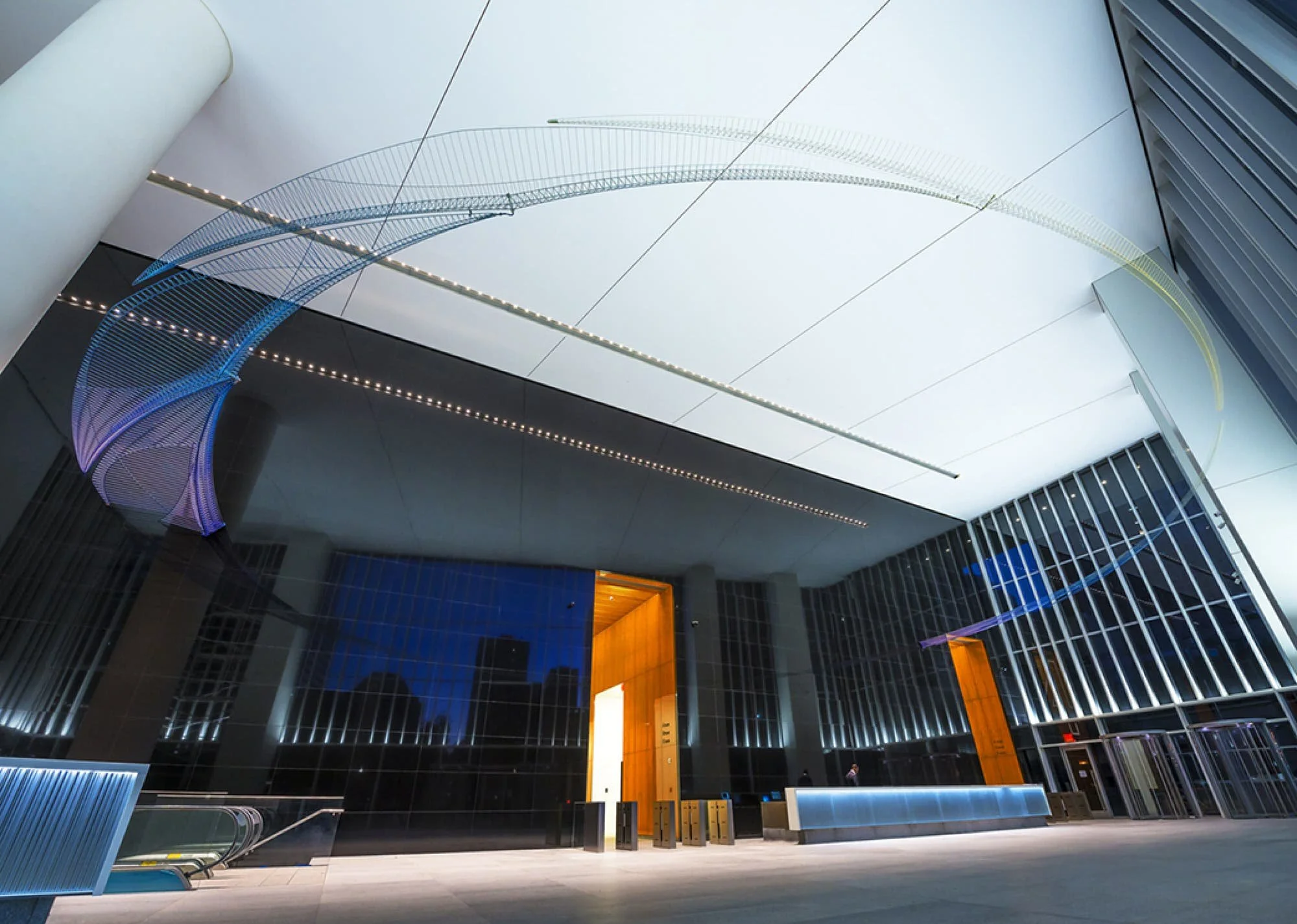
Architectural Clarity Through Operational Discipline
This experience reflects the core of our owners representation and owners representative construction approach. On a site of this magnitude, structured oversight is essential.
Regulatory frameworks were rigorous. Security protocols were constant. Deliveries, crane operations, and site access were tightly controlled. Coordination across architecture, engineering, and field operations required clarity, consistency, and forward planning.
Capital protection on projects of this scale depends on understanding how structural systems, mechanical infrastructure, and sequencing decisions influence long-term asset performance. Oversight must extend beyond tracking activity. It must anticipate risk before it materializes.
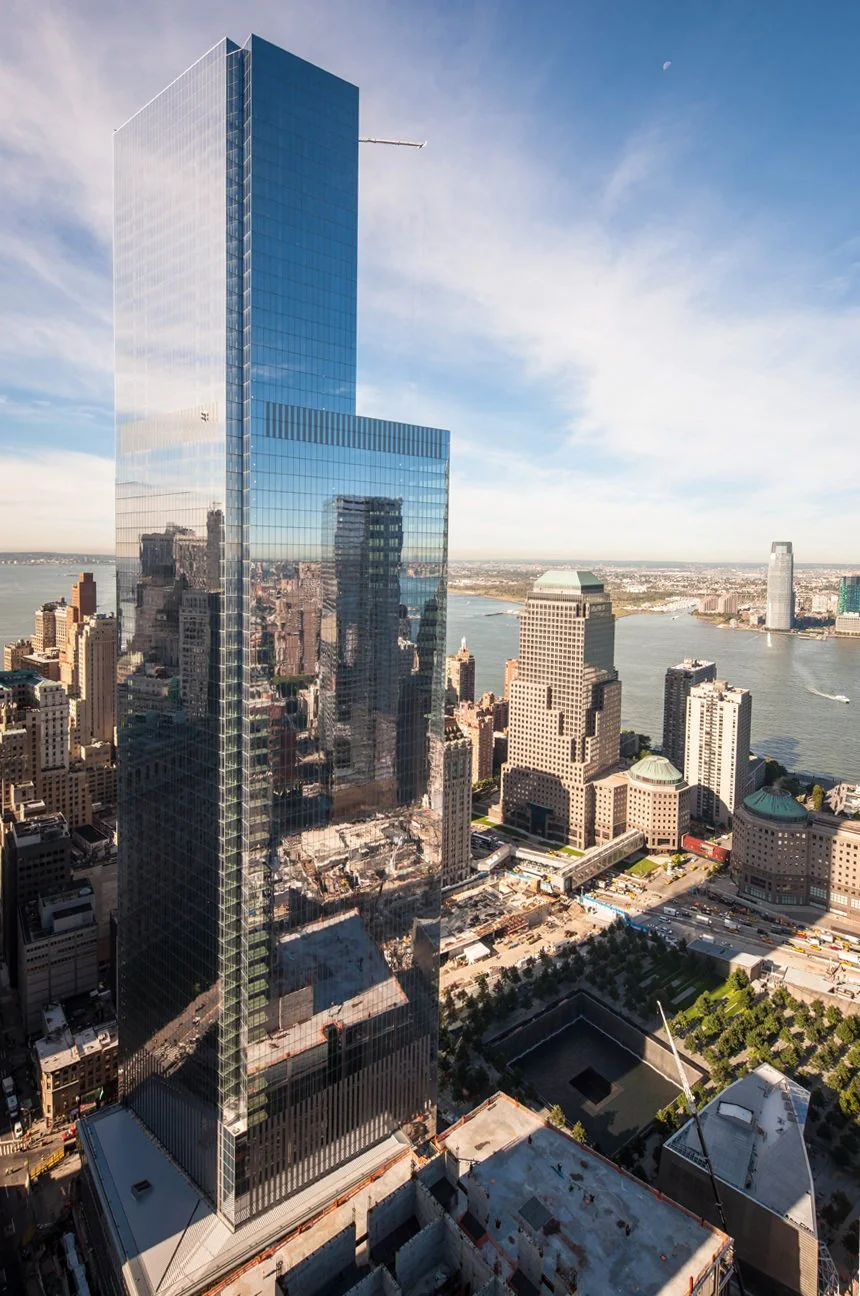
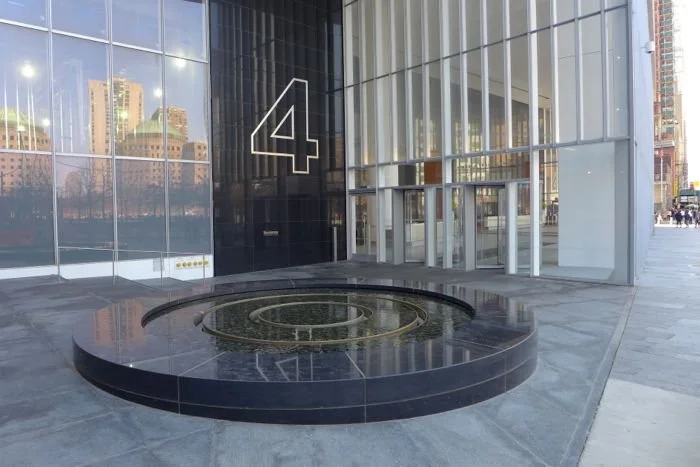
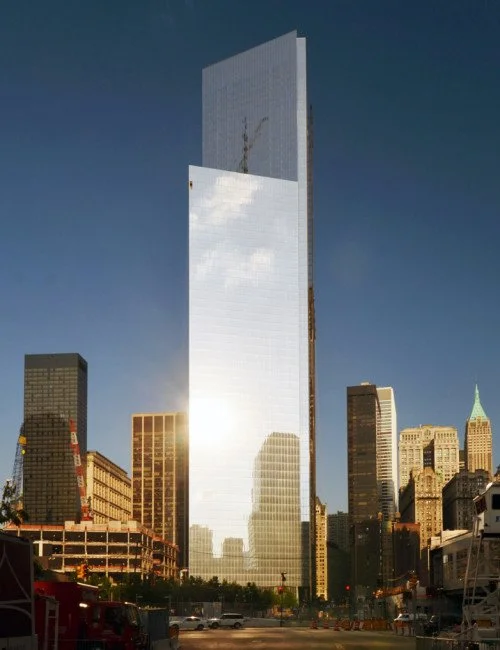
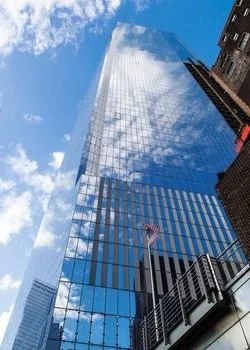
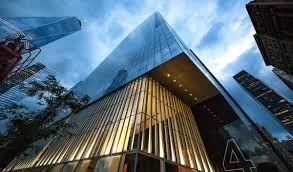
4 World Trade Center ultimately rose 72 stories and delivered more than two million square feet of office space to Lower Manhattan. Its reflective glass façade mirrors both sky and Memorial, reinforcing Maki’s philosophy of quiet strength and precision.
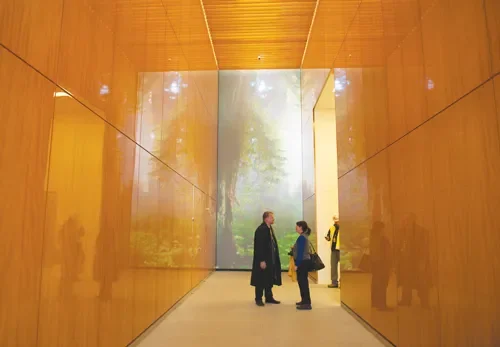
Beneath that calm exterior is a highly sophisticated structural and mechanical system engineered for resilience, safety, and durability. Design excellence at this level relies on operational rigor. Simplicity at the surface is achieved through discipline underneath.
Delivering architectural restraint at this scale required precision in detailing, fabrication, and installation. Clear documentation, disciplined coordination, and aligned decision-making protected schedule and budget integrity.
The World Trade Center redevelopment reinforced principles that continue to inform RE:Vision Builders’ work as a real estate development consultant and provider of owners representation services in New York City.
Complex urban development demands structured NYC project management. High-profile sites involve agencies, utilities, security stakeholders, and multiple design disciplines moving in parallel. Clear reporting and consistent communication are not administrative exercises. They are safeguards.
4 World Trade Center now stands as a defining component of the Lower Manhattan skyline. Its presence is measured and deliberate. The building contributes not only square footage but stability and continuity to a site of profound importance.
Participation in the development of 4 WTC was more than a professional milestone. It was an exercise in responsibility at scale. The experience continues to shape how RE:Vision Builders approaches complex design and construction NYC assignments. Whether advising owners through development consulting, providing structured owners representation services, or guiding renovation project management efforts, the foundation remains consistent: steady leadership, disciplined coordination, and respect for the people and projects we are entrusted to protect.