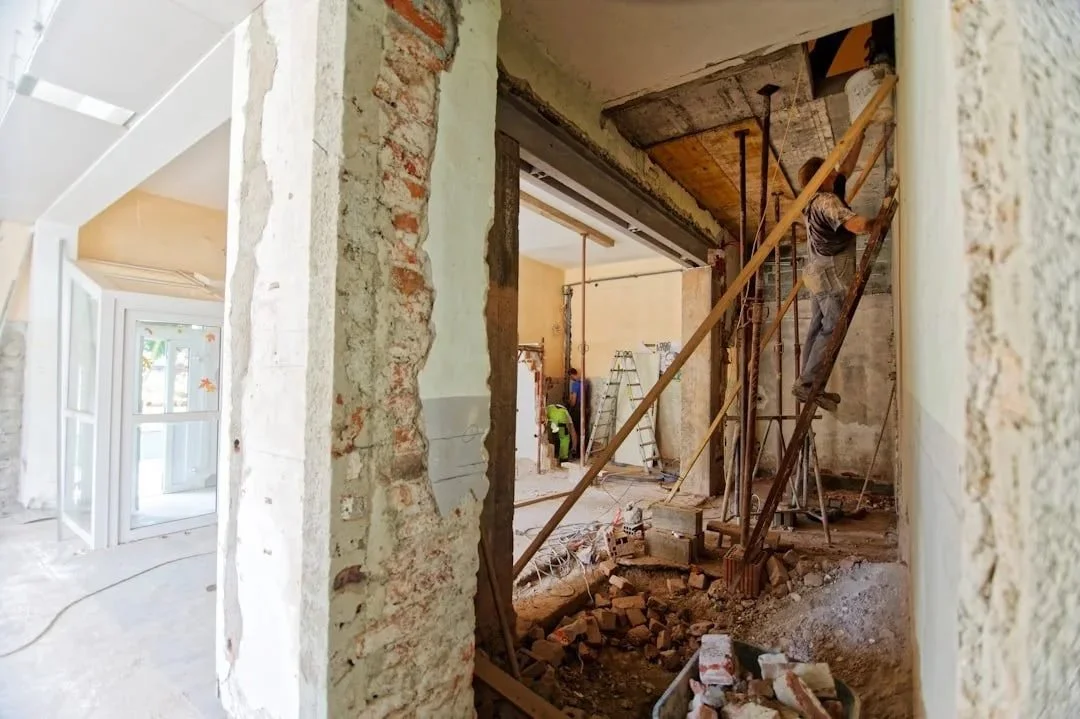
How to Choose a General Contractor A Selection Framework
TL;DR
Choosing a general contractor should not rely on instinct or first impressions. Institutional owners use structured vetting frameworks, documentation review, and construction project management discipline to reduce risk. By applying a formal contractor selection checklist — including reference verification, process evaluation, staffing review, and contract clarity — you significantly improve the likelihood of protecting your budget and timeline.
How to Choose the Right General Contractor for Your Project
Finding and vetting the right general contractor for your renovation or development project can feel like searching for a needle in a haystack. You are trusting someone with your savings, your equity, and a vision you may have held for years. It is no surprise that general contractor selection feels overwhelming for many owners.
Institutional owners approach general contractor vetting and construction project management differently. They rely on structured evaluation, documentation, and construction advisory frameworks instead of instinct alone. The good news is you can apply the same discipline to your own project.
Below is an institutional-level contractor selection framework you can use as a practical general contractor vetting checklist.
How Institutional Owners Approach General Contractor Selection
In professional construction project management, similarity of past work matters. When evaluating a general contractor, ask about projects with comparable size, scope, building type, and regulatory complexity. A contractor who performs well on light cosmetic jobs is not automatically qualified for a full gut renovation, structural build, or complex urban development project.
Request photo documentation of completed projects, not just progress shots. Ask to visit a finished site if possible. Speak directly with past clients and verify references independently. Strong general contractor selection always includes third-party validation, not just curated testimonials.
Ask what challenges arose on those projects and how they were resolved. That answer often reveals more about a general contractor’s capabilities than a highlight reel.
Evaluate Communication and Construction Management Process
Early behavior is predictive. How a general contractor communicates during the interview and bidding phase often reflects how they will communicate once construction begins.
Do they listen carefully to your goals before proposing solutions? Or do they move quickly into sales mode? Effective construction project management starts with scope clarity and alignment.
Ask how the general contractor handles delays, change orders, and field conflicts. Ask how often you will receive progress updates and what formal reporting looks like. Reliable construction oversight depends on documentation and process discipline, not personality alone.
General Contractor Staffing and Delivery Model
When thinking about how to choose a General Contractor, clarify who will run your project day to day. Who is your primary contact within the general contractor’s organization? Who has authority to make field decisions?
Ask whether the general contractor self-performs major trades or subcontracts most of the work. Either model can work, but institutional contractor selection requires transparency about supervision, quality control, and accountability.
Confirm workload and capacity. Ask how many active projects the general contractor is currently managing. Capacity planning is a critical component of development risk management and schedule reliability.
Review Contract Structure, Schedule, and Credentials
Institutional-level general contractor vetting always includes careful document review.
Confirm that the general contractor’s license and insurance are current. Review the contract structure thoroughly. Is pricing lump sum or cost-plus? Are allowances, exclusions, and unit pricing clearly defined? Is there a milestone-based payment schedule tied to progress?
A written construction schedule should be included and connected to clear construction project management checkpoints. Verbal timelines are not sufficient when evaluating a general contractor for a significant renovation or development project.
General Contractor Vetting Checklist for Renovation and Development Projects
Green Flags
-Demonstrated experience with similar projects and verifiable results
-Multiple references willing to speak directly
-Clear written scope, schedule, and pricing structure
-Transparent change order and reporting process
-Defined day-to-day project lead and escalation path
Red Flags
-Vague or evasive answers about comparable work
-Resistance to reference checks or site visits
-Extremely low bids without detailed scope support
-Unclear staffing or shifting points of contact
-Promises made verbally but not reflected in writing
Structured Vetting Protects Your Budget
Institutional owners do not rely on luck when selecting a general contractor. They rely on structured vetting, documentation, and disciplined construction project management. You owe it to yourself to use the same framework.
A structured general contractor vetting checklist significantly improves your odds of success, especially on NYC and Brooklyn renovation and development projects where regulatory complexity and cost exposure are high.
If you are evaluating a general contractor now, ask yourself whether you are making this decision based on a repeatable contractor selection process or simply a strong first impression.
If you would like an experienced second set of eyes on your general contractor selection and construction project management plan, RE:Vision Builders provides owner’s representation and construction advisory services designed to protect your budget and timeline before you commit.
Key Takeaways
Knowing how to choose a General Contractor requires structured evaluation, not instinct.
Past project similarity (scope, size, complexity) matters more than volume of experience.
Independent reference checks and site visits are essential.
Early communication behavior predicts construction-phase performance.
Clear documentation of scope, schedule, and pricing structure reduces change order risk.
Staffing transparency and workload capacity impact schedule reliability.
Extremely low bids without detailed scope are a major red flag.
Institutional-level contractor selection frameworks can be applied to private NYC and Brooklyn renovation projects.
Owner’s representation adds an additional layer of protection before contract execution.